For Brokers
Estimate your max LTV in seconds
Pick the town, product, credit score, and how close the property is — we'll show the maximum loan-to-value we can consider. No sign-up, no obligation.
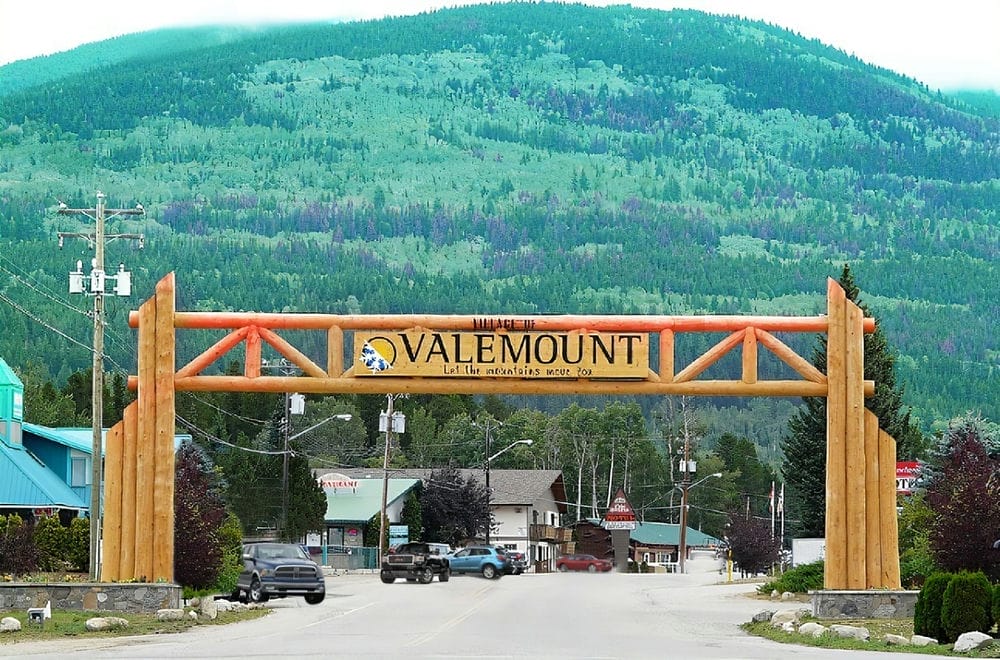
Valemount
Lending guidelines for Valemount, British Columbia
Last reviewed by Tekamar Mortgage Fund on
Show on MapLending Snapshot
Valemount is a remote mountain town of 1,000 people where we cap our max LTV at 55.0%. The big catch here is liquidity—the seasonal tourism economy and modest local incomes mean properties can sit on the market for over a year if a borrower defaults. We're happy to lend, but your client needs serious skin in the game.
Valemount Lending Guidelines
Valemount is located about three hours north of Kamloops right on the Yellowhead Highway, positioned where the Rockies, Monashees, and Cariboos meet. While it is technically designated as one of British Columbia’s 14 resort municipalities, do not expect another Whistler or Sun Peaks. At its core, Valemount is a blue-collar railway and forestry town that has slowly transitioned into a backcountry recreation hub. It is famous for snowmobiling, heli-skiing, and a local mountain bike park that draws riders from across the province. Mount Robson is practically in the town’s backyard, bringing in heavy summer tourism, but the day-to-day reality here is quiet, remote, and highly seasonal.
For brokers looking at local deals, the housing market is exceptionally small. The entire village is physically boxed in by the mountains, spanning just 5.16 square kilometers with only 602 private dwellings. Because of this limited footprint, property types matter immensely. Single-detached houses make up about 63.7% of the market, but movable dwellings—mostly mobile and manufactured homes—represent a substantial 22.5% of the local housing stock. You will find older mid-century houses from the town’s early resource days sitting right alongside newer properties built for retirees and recreation. With such low inventory, a handful of short-term rentals can easily distort local prices and squeeze out long-term residents.
The local economy revolves heavily around tourism, with 15.7% of the workforce employed in accommodation and food services. However, there is still a reliable working-class backbone tied to logging, construction, and the railway. The unemployment rate is low at 4.7%, and the community is highly localized, with nearly 75% of residents enjoying a commute of under 15 minutes. We rate Valemount’s economic strength at 7 out of 10 and its desirability at 6 out of 10. It is a stable, resilient community, but the geographic isolation and harsh winters keep it from scoring higher.
At Tekamar, we are comfortable lending in communities without stoplights, but we do it with realistic expectations. Our primary concern in remote pockets of the Fraser-Fort George region is market liquidity. If a mortgage goes into default, selling a home in an isolated town of 1,052 people takes significant time, especially during the shoulder seasons. Because we lend capital sourced from friends and family, we must underwrite with a long-term recovery timeline in mind. To manage this geographic risk and the limited buyer pool, our maximum loan-to-value in Valemount is capped at 55.0%.
This margin gives our investors a necessary cushion while allowing us to write equity-based loans, second mortgages, and bridge financing for clients who do not fit the traditional banks’ criteria. If you have a client in Valemount with strong equity who needs an alternative solution, send us the file.
the Nearest Costco
Nearest Hospital
Frequently Asked Questions
Valemount is a tiny, remote market where properties can take over a year to sell during a downturn. We cap the LTV at 55.0% to buffer against the high holding costs and extended timelines of a worst-case foreclosure.
With a median household income of just $60,400 and a heavy reliance on seasonal tourism, local buying power is very limited. We look closely at borrower strength and equity because we can't count on a quick, easy local resale to bail us out.
Trying to push for high leverage or submitting a highly non-standard property—like one of the town's many movable dwellings—will kill a deal. If your client doesn't have at least 45% cold, hard equity, we won't be able to get it done.
Our Mortgage Products Available in Valemount
| Mortgage Product Name | Max LTV | Key Notes for Valemount |
|---|---|---|
| Variable Income | 55.0% | Standard product terms |
| Bridge Financing | 55.0% | Standard product terms |
| Equity Lending / Refinance | 55.0% | Standard product terms |
| Purchases | 55.0% | Standard product terms |
Detailed Mortgage Product Information
Variable Income
Maximum Loan-to-Value (LTV) for Variable Income in Valemount:
55.0 %
“Their income is all over the map, but there’s definitely income…”
Here’s a funny thing about lending based on Line 15000 of your Notice of Assessment: It’s a neat little box to underwrite against. Works great if you’re a salaried employee. Not so great if you’re running a fishing charter in Campbell River where thres fishing season, and the rest of the year.
We get it. Income isn’t always ti...
Bridge Financing
Maximum Loan-to-Value (LTV) for Bridge Financing in Valemount:
55.0 %
“Subjects came off their current home last week but their new place closes Friday…”
Here’s a funny thing about bridge financing: everyone thinks it’s complicated. It’s not. Someone needs to close on their new house before their old house sells. Or their sale fell through after they removed subjects on their dream home. Or they found the perfect downsizer condo but haven’t listed the family hom...
Equity Lending / Refinance
Maximum Loan-to-Value (LTV) for Equity Lending / Refinance in Valemount:
55.0 %
“They have tons of equity but don’t qualify under B20…”
Here’s the thing about equity lending: it exists because banks literally can’t do it. B20 guidelines require income verification. Full stop. No wiggle room. No common sense exceptions.
We’re provincially regulated. The funds we lend on come from individual investors, not the Bank of Canada. So when your client has 50% equity but their in...
Purchases
Maximum Loan-to-Value (LTV) for Purchases in Valemount:
55.0 %
Moving is supposed to be exciting. New town, new job, new chapter. So why do banks act like you’re asking for their firstborn when you need a mortgage?
“You haven’t been at your new job for thre months”
“Your self-employment income doesn’t count in a new market.”
“We need to see established a year if you are part time contract - even if you’re working 40 hours under your new role”
Meanwhile...